
Choosing and Installing Baseboard Moulding: A Complete Guide
When you’re updating your home’s interior, baseboard moulding might seem like a small detail, but it has a big impact. The right baseboard trim brings your walls and floors together, protects surfaces from everyday wear, and gives your rooms a crisp, finished look.
Whether you’re renovating one room or refreshing your whole home, understanding how to choose and install baseboard moulding will help you get durable, high-quality results.
At Brown Building Contractors, we work with homeowners across the region to create polished, long-lasting trim solutions that elevate any space. Here’s what you need to know before selecting and installing your baseboards.
What Is Baseboard Moulding?
A Simple Feature That Makes a Big Difference
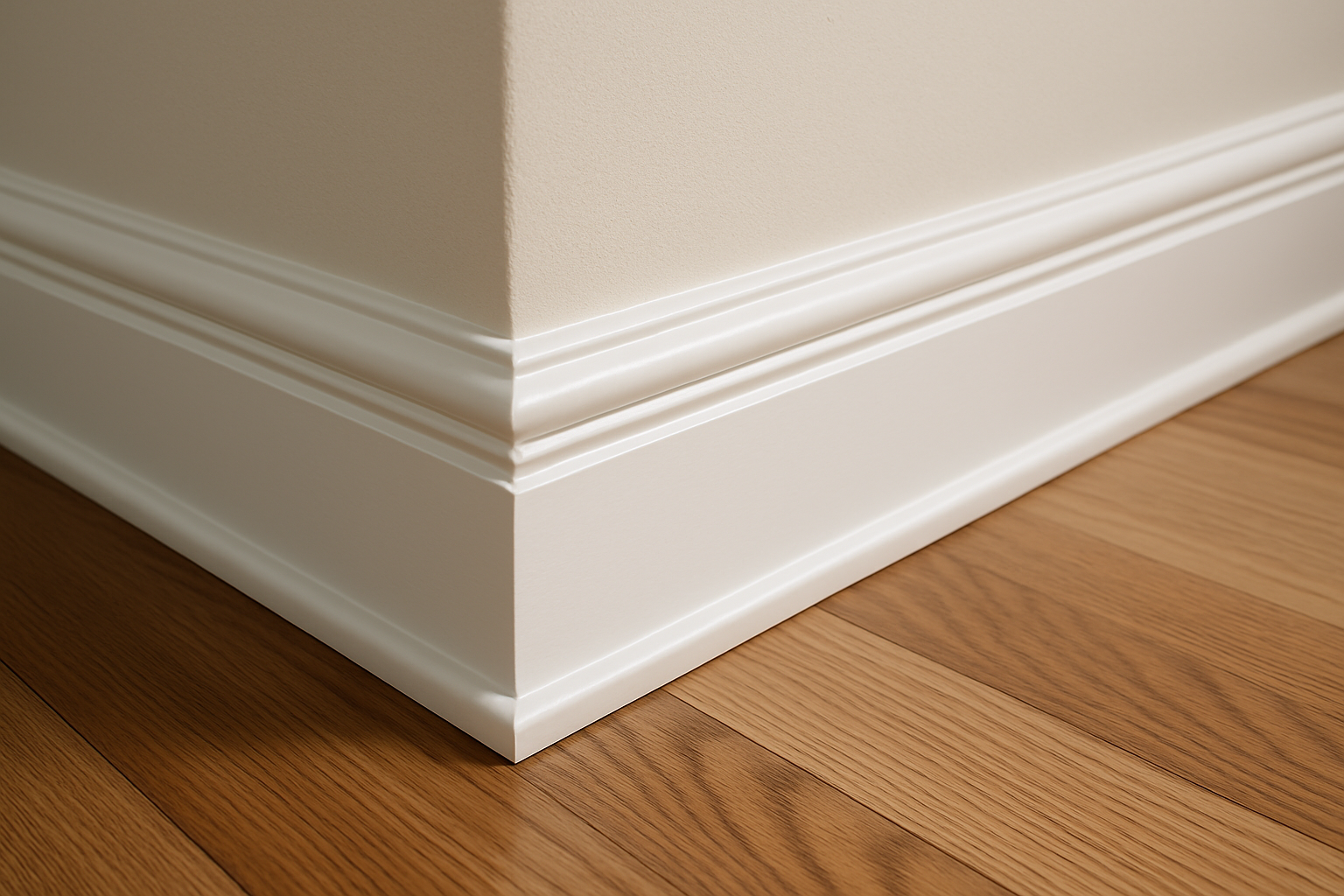
Baseboard moulding is the trim board installed where the wall meets the floor. It serves three key purposes:
- Covers gaps and imperfections along the floor line
- Protects drywall from scuffs, dents, and cleaning tools
- Enhances interior design by adding visual structure and character
Although it’s often overlooked, the right trim can completely transform the feel of a room, especially when installed with professional precision.
Common Baseboard Moulding Materials
Wood
Wood offers a classic, natural look that works well in traditional and high-end homes.
Pros: Durable, stainable, warm appearance
Cons: Sensitive to moisture, typically higher cost
MDF (Medium Density Fiberboard)
A popular choice for painted mouldings, MDF is smooth and budget-friendly.
Pros: Affordable, easy to paint, consistent texture
Cons: Can swell or warp in humid rooms or basements
PVC / Polymer
These synthetic options are excellent for moisture-prone spaces.
Pros: Waterproof, great for bathrooms, kitchens, and basements
Cons: Limited stain colors, sometimes less rigid than wood
Polyurethane
Lightweight and versatile, polyurethane trim works especially well for decorative profiles or curved walls.
Pros: Won’t warp or crack, easy to handle
Cons: Higher price point than MDF
Best Baseboard Moulding Styles
Classic Profiles
Styles like ogee, colonial, and stepped baseboards offer a timeless look. They tend to complement traditional architecture or older homes.
Transitional Designs
These profiles offer clean lines with a bit of detail, perfect if your home mixes modern and traditional elements.
Tall Modern Mouldings
Flat, taller baseboards have become a favorite in contemporary homes. The baseboard height creates a more upscale, streamlined feel, especially in rooms with high ceilings.
How to Choose the Right Size and Style
Match the Scale of the Room
- Smaller rooms benefit from shorter trim (around 3–4 inches).
- Larger rooms and open floor plans look better with 5–7 inch mouldings.
Coordinate with Existing Trim
Your new baseboard trim should feel like part of a matched set. Align height, thickness, and detail with door casings and window trim to maintain a cohesive style.
Select the Right Material for the Space
For moisture-heavy rooms, PVC or polyurethane performs best.
For living rooms, bedrooms, and hallways, wood or MDF provides an attractive and cost-effective finish.
Need Expert Guidance?
Brown Building Contractors can recommend the best baseboard moulding style and material for your home and install it with the precision that ensures long-lasting beauty.
Key Steps for Installing Baseboard Molding
Preparation
Accurate measurements are essential. This includes checking for uneven floors or walls, which may require scribing or minor adjustments for a tight fit.
Cutting and Fitting
Coped and mitered joints help ensure inside corners fit cleanly. Test-fit each piece before securing it.
Baseboard Installation
We use finish nails and construction adhesive as needed to keep moulding securely in place and prevent gaps over time.
Finishing Touches
Once installed, nail holes are filled, seams are caulked, and the moulding is primed and painted (or stained) for a flawless finish.
Common Mistakes to Avoid
- Choosing MDF for bathrooms or basements
- Skipping caulking or patching nail holes
- Selecting a trim height that doesn’t match the door or window casings
- Improper cutting that leads to visible gaps or uneven joints
Maintenance & Durability
Baseboard moulding is low-maintenance, but a few simple steps help keep it looking its best:
- Wipe down painted baseboards regularly
- Avoid abrasive cleaners
- Touch up scuffs with matching paint
- Remember that wood may require refinishing over time, while PVC and polyurethane resist moisture and wear
FAQ
How tall should baseboard moulding be?
Most homeowners choose 3–5 inches for standard rooms and 5–7 inches for larger spaces.
Can I mix different trim styles?
It’s best to keep profiles consistent throughout the home for a cohesive look.
Is MDF a good choice?
Yes, in dry rooms. Avoid it in moisture-prone areas.
Should I install baseboard moulding myself?
DIY is possible, but for seamless joints, perfect cuts, and long-term durability, professional installation delivers the best results.
Conclusion
Choosing the right baseboard moulding enhances your home’s style and protects your walls for years to come. With the right material, profile, and installation approach, you can create a clean, polished finish that elevates every room.
Ready to upgrade your home with beautiful, professionally installed baseboard trim? Contact Brown Building Contractors today for expert recommendations and flawless installation.