
Unfinished Basement Wall Ideas: 1 Creative & Budget-Friendly Options
Even if your basement isn’t finished, you can transform your basement from an open, cluttered space into a modern, stylish room with these basement wall ideas. If you’re looking for inspiration to create a basement that is more inviting and usable than one with drab walls, you’re in the right place.
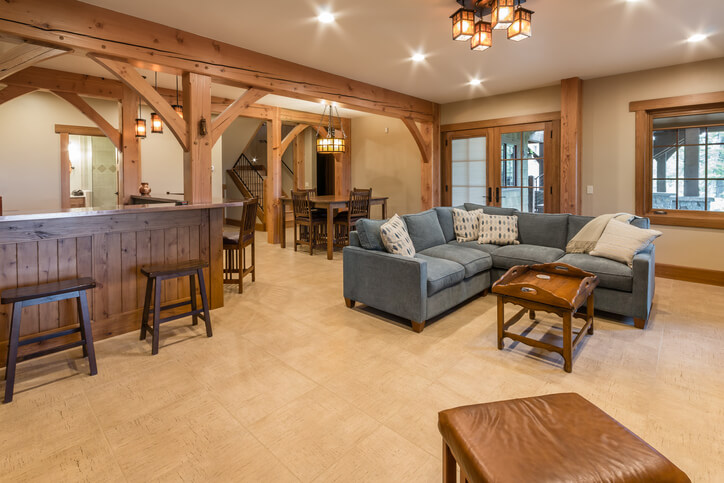
Best Basement Wall Ideas to Transform Your Space
Are you looking for basement wall ideas that are not drywall? From brick to curtains to pegboard, here are a few ideas from Brown Building Contractors to get you started.
Basement Brick Wall Ideas (Rustic & Industrial Look)
For cheap basement wall ideas, you don’t have to do anything significant with brick walls. Brick walls are beautiful on their own and create a chic style. You can paint your brick walls soft, neutral tones. Any exposed brick material will need a sealant to protect the walls against moisture. This will also reduce mold and mildew, which helps in damp basements.
Using Curtains for Basement Walls (Affordable & Easy Solution)
Using curtains to adorn any exposed basement wall is a great way to liven up your space. This works particularly well for concrete basement wall ideas.
Curtains conceal unsightly or unfinished walls, instantly creating an inviting basement that looks finished to guests. Using curtains can improve insulation and temperature regulation for basement wall ideas over concrete.
Basement Partition Wall Ideas (Divide and Define Your Space)
An effective way to easily liven up a basement is by adding partition walls. This divides up one large open space into multiple areas. You can enjoy increased functionality by having separate rooms for different activities. Partition walls give privacy to occupants studying, sleeping, or working in the basement and help reduce noise.
Partitions also add aesthetic appeal to your space, giving it a dramatic, polished look.
Basement Pegboard Wall Ideas (Functional & Stylish Storage)
For rustic basement wall ideas, you can use pegboards to add flair to your space. Pegboards hide wall blemishes and add functionality to any basement. You can organize tools, art supplies, and other equipment, allowing you to create a workshop in your basement.
If you don’t need to hang tools, create a vertical garden with a pegboard if your space lacks greenery, or hang up art. Using a pegboard as a display collection for vintage toys, memorabilia, and more revitalizes lifeless basements.
Architectural Basement Wall Designs (Modern & Custom Finishes)
The architectural style of your basement walls can also add to decor when taking on a basement remodelling project. You have various styles to choose from, like industrial, which involves incorporating exposed elements of your walls to add an edgy look.
Try a gothic style, which is dark coloring and lavishly ornate details to add a dramatic and mysterious vibe. Modernism gives a cleaner, sleek finish for suave sophistication. You can work rustic basement wall ideas into a cozy, earthy style.
Basement Remodeling Contractors in Olympia, WA
Moisture Resistant Basement Wall Materials
Choosing the right basement wall materials is the most critical first step of your project. Basements naturally trap damp air from the surrounding soil, so moisture protection is vital for long-term durability. Excellent waterproof basement wall ideas include mold-resistant drywall or specialized PVC basement wall covering ideas. You can also use a heavy masonry sealer directly on exposed concrete walls. Selecting these high-performance options prevents rot, mold, and structural decay. This ensures your beautiful wall coverings remain in great shape for years to come.
Basement Wall Insulation Benefits
Installing high-quality insulation behind your framing provides incredible long-term benefits for your home. Proper insulation significantly improves your home’s energy efficiency. It gives you superior temperature control throughout the cold winter months. It also offers excellent noise reduction between different levels of the house. This extra acoustic barrier makes your lower level feel quiet and cozy. If you want to know how to finish basement walls correctly, installing rigid foam insulation panels is a vital step.
Basement Wall Color Ideas
Your paint choices completely change how your lower level feels. Light white walls or soft gray finishes are perfect for small rooms because they bounce natural light around the space. If you want modern basement wall ideas, try clean neutral tones to build a sophisticated design. Cozy entertainment rooms, a home theater, or a private studio look excellent with warm earth tones. The right color choice adds incredible visual depth and transforms a dark concrete room into an inviting destination.
Creative Basement Accent Wall Ideas
Building a standalone feature wall brings immediate texture and luxury to your new layout. There are many creative basement accent wall ideas to explore beyond simple paint. You can use rustic wood paneling or old pallets to add an organic, earthy feel. For a high-end look, consider installing a gorgeous stone veneer or a brick backdrop behind a fireplace. Classic board and batten designs or geometric wall panel options also create great visual interest.
As you can see in the design example above, a dark shiplap or horizontal wood accent wall creates a striking media center that grounds the room. These custom finishes look amazing next to modern built-ins or a small kitchenette.
Common Basement Wall Mistakes to Avoid
Many homeowners make simple mistakes when looking for cheap basement wall ideas or fast fixes. Ignoring minor leaks or skipping foundation waterproofing before installing covers is a major error. Choosing cheap materials that are not rated for damp environments always leads to mold growth. Avoid dark finishes in tight spaces, and never skip the insulation layer to save money.
How Basement Wall Upgrades Add Home Value
Upgrading your basement wall finishing options is a smart investment that expands your usable living space. It converts a cold storage zone into high-value guest rooms or a laundry suite. These high-quality updates improve your home’s appearance, enhance daily functionality, and significantly increase your total property resale value.
Simple Basement Wall Decor Ideas That Make a Big Impact
With a little guidance, anyone can rejuvenate their drab basement space. The experts at Brown Building Contracts are trusted professionals when it comes to home and basement renovations ideas. As a locally owned Olympia, WA, business, we have helped customers for over 25 years. If you need any help with your basement wall ideas, contact us today.
Choosing the right combination of style and durability ensures a successful build. Ready to transform your unfinished basement walls? Contact us now to schedule your free consultation, and let us bring your vision to life.
Frequently Asked Questions About Basement Wall Ideas
What is the cheapest way to finish basement walls?
The cheapest way to finish basement walls is by using painted concrete, wood paneling, or peel-and-stick wall panels. Painted concrete is the most budget-friendly option, costing very little while still improving the look of your space. Wood paneling and MDF boards offer a warmer finish at a slightly higher cost. If you’re looking for a balance between affordability and appearance, prefabricated wall panels are a great option. Always ensure proper moisture control before finishing basement walls to avoid long-term damage.
What are the best alternatives to drywall for basement walls?
Some of the best alternatives to drywall for basement walls include wood paneling, PVC wall panels, plywood, shiplap, and decorative concrete finishes. These materials are often more resistant to moisture, making them ideal for basements. PVC panels are especially popular because they are waterproof and easy to install. Wood options like shiplap add a modern, stylish look, while plywood offers durability at a lower cost. Choosing the right material depends on your budget, design preference, and the moisture conditions in your basement.
Can you finish basement walls without drywall?
Yes, you can finish basement walls without using drywall. Many homeowners choose alternatives like wall panels, plywood, or even painted concrete to avoid issues related to moisture and mold. These options are often easier to install and maintain compared to drywall. Finishing without drywall can also reduce costs and allow for more creative design choices. However, it’s important to ensure proper insulation and moisture protection before installing any finishing material.
How do you waterproof basement walls before finishing?
To waterproof basement walls before finishing, start by sealing cracks and applying a waterproof masonry sealant or coating. Next, install a vapor barrier to prevent moisture from penetrating the walls. Proper drainage around your home’s foundation is also essential, including functioning gutters and downspouts. In some cases, installing a sump pump or interior drainage system may be necessary. Waterproofing is a critical step to protect your basement wall finishes and prevent mold, mildew, and structural damage.
What is the best material for basement walls in cold climates?
The best materials for basement walls in cold climates are those that provide insulation and resist moisture, such as rigid foam insulation panels, insulated wall systems, and treated wood paneling. Foam boards are especially effective because they help maintain temperature while preventing condensation. Insulated wall panels combine finishing and insulation in one solution, making them ideal for colder regions. Choosing materials that balance thermal performance and moisture resistance is key to creating a comfortable and durable basement space.
Are basement wall panels better than drywall?
Basement wall panels can be better than drywall in many situations, especially in areas prone to moisture. Panels are typically easier to install, more resistant to mold, and require less maintenance. Unlike drywall, which can absorb moisture and deteriorate over time, wall panels are designed to handle basement conditions. However, drywall may still be preferred for a traditional finish and lower upfront cost. The best choice depends on your basement environment and long-term durability needs.
How much does it cost to finish basement walls?
The cost to finish basement walls typically ranges from $5 to $30 per square foot, depending on the materials used and labor costs. Basic options like painted concrete or plywood are more affordable, while insulated panels and custom finishes are more expensive. Additional costs may include insulation, framing, and moisture protection. For an accurate estimate, it’s important to consider the condition of your basement and the type of finish you want to achieve.
Do basement walls need insulation before finishing?
Yes, insulating basement walls before finishing is highly recommended. Insulation helps regulate temperature, improve energy efficiency, and prevent moisture-related issues like condensation and mold. Common insulation options include rigid foam boards and spray foam, both of which provide excellent moisture resistance. Proper insulation also makes your basement more comfortable and usable year-round. Skipping this step can lead to higher energy costs and potential damage to your finished walls.
Recommended Article: Basement Waterproofing – A Complete Guide